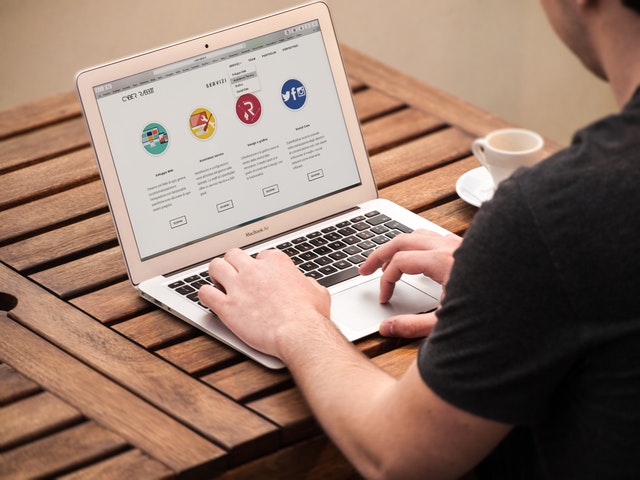
Digital marketing includes all strategies applied online to market products and services, whether you’re targeting potential audiences via online sources. If you follow brands or influencers on Social Media, you’re experiencing digital marketing daily—and likely every time you open your feeds. The same goes when you take a deep dive into Google search results to find anything.
Digital marketing and traditional marketing share the same fundamental mission: identifying a target audience and their needs, connecting the audience to products that fill those needs, and convincing the audience to follow through with purchasing products. However, connecting with customers in a virtual space (digital marketing) involves different methods of connection than traditional marketing. Here are a few of the key differences:
Reaching out to locally targeted audiences—e.g. purchasing print or broadcast advertising that runs in specific geographical areas.
Producing physical marketing materials—things like brochures, catalogues, and fliers.
Relying on traditional delivery channels—think familiar delivery methods like television, newspaper, magazine, and radio ads, mailed advertisements, and voice sales calls.
In-person marketing events—establishing a brand presence at conferences, conventions, seminars, etc.
Customizing an audience from a global population—digital audiences can be reached anywhere with internet access, meaning digital marketers can fine-tune their audiences using demographics that best fit their campaign (not only region but also age, gender, personal preferences, etc).
Audience interaction—unlike more passive traditional marketing (e.g. a television viewer watching a commercial), digital marketers are able to interact directly with their audience through forums like website comment sections, social media accounts, and interactive quizzes.
Using multiple delivery channels based on audience needs and preferences—dynamic web content allows digital marketers to offer their audience a range of delivery channels (including YouTube videos, Instagram posts, blog articles, and marketing emails), then letting the audience engage with the channels that appeal to them the most.
Online marketing events—similar to conferences and conventions in traditional marketing, digital marketers host online events like webinars, product demonstrations, and courses, which can often be attended “live” or viewed afterwards on-demand.
This digital marketing certification course gives you an in-depth understanding and advanced knowledge of the most important digital marketing domains and includes real-world projects and virtual simulations for gaining domain experience. You’ll be exposed to digital marketing tools extensive project experience and Mimic Pro simulations to make you job-ready.
After you have completed this digital marketing training program, you will receive a certificate from PValue Solutions stating that you have acquired the skill set of a Digital Marketing Specialist, validating your ability to lead digital marketing efforts in your organization.
4 Courses
40 students